Moroccan Lantern: A Designer’s Real-World Embroidery Review
First Impressions: Elegance Meets Functionality
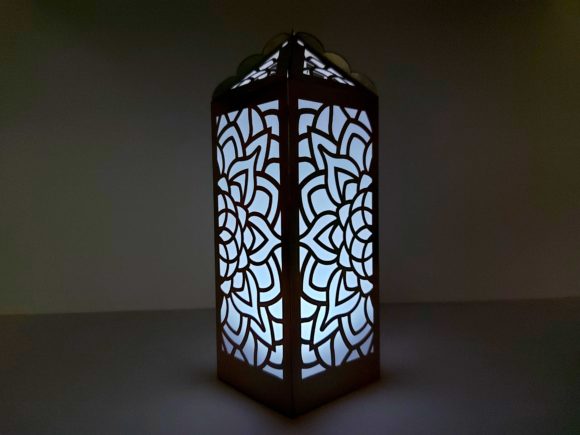
When I first opened the Moroccan Lantern embroidery design, I was struck by its intricate detailing and the soft, ambient mood it conveys. It’s not just a lantern—it’s a statement piece that feels like it belongs in a curated collection of handmade luxury items. The design’s symmetry, layered patterns, and openwork elements suggest a Middle Eastern influence, making it ideal for projects with a refined or exotic aesthetic.
As a designer who frequently works on custom gifts and boutique items, I immediately thought of how this would translate onto a linen tote or a cotton tea towel. There’s a timeless quality to it that feels both ornamental and meaningful—perfect for centerpieces or embroidered decor that needs to stand out without feeling over the top.
Real-World Use: From Sweatshirts to Holiday Gifts
I tested the Moroccan Lantern on a few different fabric types and product formats to get a sense of its versatility. On a medium-weight cotton sweatshirt, the design held up beautifully—its open spaces allowed the fabric texture to peek through, giving it depth. When embroidered on a linen tote bag, the lantern’s shape became a natural focal point, especially when paired with minimalistic stitching around the edges.
For baby items, I stitched a scaled-down version onto a muslin burp cloth. It worked surprisingly well, though I did have to adjust the stabilizer and hoop size to prevent puckering. On holiday-themed tea towels, the lantern felt festive and elegant—especially when I used metallic thread for the outer frame.
Where It Shines: Commercial and Custom Applications
Moroccan Lantern is a strong contender for Etsy sellers and small craft businesses looking to elevate their product offerings. It works particularly well for:
- Custom embroidered sweatshirts and tunics
- Boutique tote bags and aprons
- Personalized baby blankets and nursery decor
- Wedding or party favors with a decorative flair
- Holiday-themed kitchen towels and pillow covers
One of the standout features is how well it scales. Whether you're making a large centerpiece or a small embroidered patch, the lantern maintains its visual integrity. That’s not always the case with intricate 3D SVG designs, so this is a real win for designers who need flexibility.
Where to Use With Care: Fabric and Fit Considerations
Like any detailed embroidery design, Moroccan Lantern requires thoughtful placement and fabric selection. On stretchy knits, I noticed slight distortion in the finer lines unless I used a firm tear-away stabilizer. Thin cottons also posed a challenge—especially when using denser stitch areas, which can cause the fabric to pucker or tear more easily.
Dark fabrics tend to mute the design’s lighter elements, so I recommend testing with contrasting thread colors or even using a light-colored appliqué base underneath. Also, be cautious when stitching on curved surfaces like baseball caps—small details like the lantern’s top hook or bottom trim can get lost or misaligned if not hooped properly.
Design Impact: Elevating Your Finished Product
What really sets Moroccan Lantern apart is how it enhances the perceived value of a finished item. Whether it’s stitched onto a boutique tote or a personalized pillow, the design adds a touch of sophistication that customers notice. I’ve found that buyers are more likely to view embroidered items with intricate, well-executed designs like this as “premium” handmade goods—perfect for gift shops, Etsy listings, or local craft fairs.
From a branding perspective, this design lends itself well to cohesive product lines. Use it across different items—like a matching set of towels, napkins, and aprons—and you instantly create a unified look that customers will recognize and remember.
Practical Notes for Embroidery Designers
Here are a few key takeaways from my hands-on experience with Moroccan Lantern:
- Test on scrap fabric first—especially if you’re using a new stabilizer or thread type.
- Check thread color contrast against both light and dark backgrounds to ensure visibility.
- Review stitch density before stitching on delicate or stretchy fabrics.
- Confirm hoop size matches your machine and intended project—don’t assume scaling will work perfectly.
- Inspect small details like the lantern’s frame and inner lattice to ensure they stitch cleanly.
- Test in black and white mockups to see how the design reads without color.
- Use proper stabilizer based on fabric type—cut-away for stretchy knits, tear-away for cottons.
- Verify licensing before selling finished items or including the design in digital product bundles.
Final Thoughts: Worth the Stitch Time
Moroccan Lantern is more than just a pretty design—it’s a versatile, high-impact embroidery file that works well across a range of projects and markets. Whether you're creating personalized gifts, custom apparel, or digital embroidery files for resale, this design has the visual appeal and technical flexibility to earn its place in your collection.
As a designer who values both aesthetics and practicality, I’d recommend this to anyone looking to elevate their embroidered product line. Just remember to test, adjust, and think through your fabric and placement choices before diving into a full production run. Done right, Moroccan Lantern can be the standout detail that makes your handmade items truly shine.